
Customers should not have to open a brochure just to find a price, instruction or service detail. Explore when PDFs are useful, when webpages work better and how to improve important downloads without creating conflicting versions.
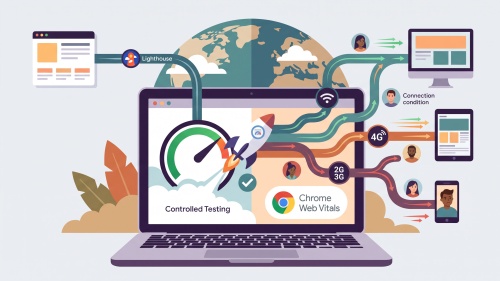
A strong PageSpeed score is useful evidence, but it does not represent every page, device or customer journey. Understanding the difference between controlled tests and real-user data helps companies identify performance problems that actually deserve attention.

A website audit can uncover dozens of problems, but they rarely deserve equal attention. Here is how to turn a long list of findings into a practical, evidence-based improvement plan.

AI is beginning to change the speed and scale of cyber attacks. Businesses do not need futuristic security products or a reason to panic, but they do need better-maintained websites, tighter control of their digital assets and a faster route from warning to action.

Connecting your website to business systems can reduce repetitive work and improve data accuracy, but it can also introduce new costs, risks and dependencies. Here is how to decide whether an integration is genuinely worthwhile.
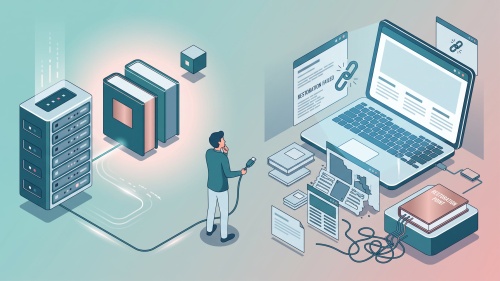
A successful backup does not prove that your website can be recovered. Here is how to check what is protected, how much data could be lost and whether the route back has actually been tested.

AI coding agents can accelerate development, but their limits, pricing and availability remain outside the developer's control. The current Codex experience shows why companies need the benefits of AI without making one provider a single point of failure.

The question entered into an AI tool may be only a fraction of what the model processes. Understanding tokens, context and caching can help companies control costs without compromising useful results.
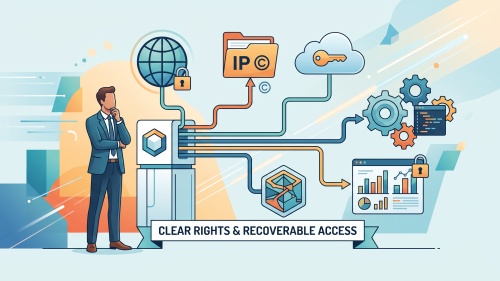
Paying for a website does not necessarily give a company ownership or direct control of every part. Here is what to check across domains, source code, data, accounts and supplier agreements.

AI website builders are becoming more capable, but businesses still need to understand what these tools can and cannot do well before relying on them for a serious company website.
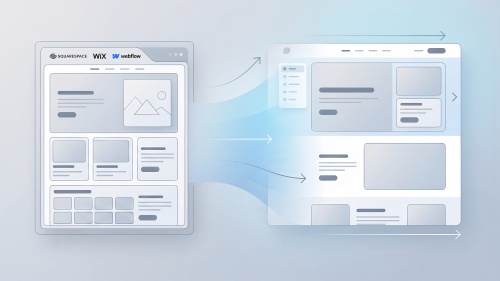
Website builders are a great starting point, but they are not always built for long-term growth. Here are the signs that it may be time to move to a more flexible platform.
ISO 27001 isn't just a badge. For websites, it shapes how you manage access, data, hosting, and risk in practical, everyday ways.
Drupal still carries an old reputation. But in 2026, it's a very different platform - and for the right projects, a seriously capable one.