
Customers should not have to open a brochure just to find a price, instruction or service detail. Explore when PDFs are useful, when webpages work better and how to improve important downloads without creating conflicting versions.

The October 2026 PHP emergency forced websites offline and exposed the risks of ageing software. What can businesses learn about server updates, vendor patches and being ready for the next security crisis?

A customer portal can make repeat services easier, but it also introduces new responsibilities. Explore when an account area is worth building and when a simpler solution could work better.

AI on a website does not have to mean a chatbot. Explore practical ways custom AI functionality can reduce repetitive admin, interpret messy information and connect more naturally with existing business workflows.

A website can stay online while an important integration has quietly stopped working. Understanding dependencies, failure handling, retries and monitoring helps companies decide what should happen when an external service becomes unavailable.
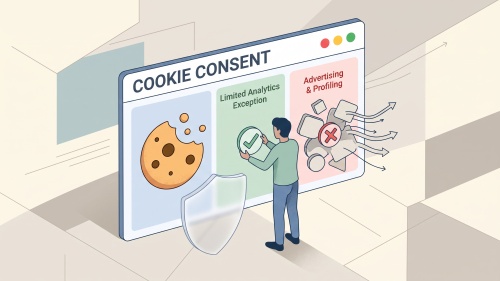
UK rules now allow some narrowly defined statistical website analytics to run without prior PECR consent. The exception is useful, but it does not cover advertising, profiling or every tool that carries an analytics label.

Work out which pages still help customers, what needs changing and how to handle old links, without using age or visitor numbers as a shortcut for value.

Decide which details an enquiry form genuinely needs, what can wait and how to judge whether a change improves the conversations that follow.

AI Overviews and AI Mode are changing how Google presents information, but that does not mean businesses need to abandon established SEO. Google's own guidance helps separate useful preparation from the growing collection of AI-search myths and supposed shortcuts.
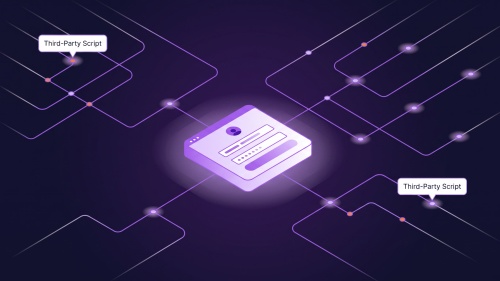
Analytics, chat, advertising and embedded tools can quietly become a web of forgotten dependencies. A simple third-party script register helps companies decide what still earns its place and what should be limited, replaced or removed.

A monthly website report should do more than present traffic figures and graphs. Learn how useful reporting connects website activity with business goals, highlights meaningful changes and helps companies decide what to improve next.

A useful website brief should define the problem, desired outcomes and genuine constraints without prescribing every technical decision. Here is what to settle before requesting quotes, what to leave open and how to compare proposals built on different assumptions.
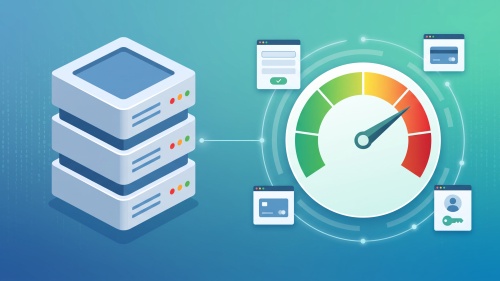
A 99.9% uptime promise can still allow hours of annual downtime, and it may cover less than the complete customer journey. Learn how to compare hosting guarantees, monitoring and response arrangements in practical business terms.